

Healing the Hidden Stress Behind High Performance
The Invisible Weight of Leadership
Leadership often demands strength, clarity, and decisiveness — yet beneath that polished exterior, many leaders quietly carry invisible wounds. These aren’t always dramatic or diagnosable traumas. They may be the accumulated stress of years spent in survival mode: relentless targets, isolation at the top, emotional suppression, or the quiet grief of disconnection from one’s authentic self.
In the corporate world, unresolved trauma is frequently rewarded. Hypervigilance looks like productivity. Over-control looks like efficiency. Emotional numbness looks like composure. But the nervous system tells another story. Beneath the surface, leaders are often operating from patterns rooted not in power — but in protection.
To lead effectively in today’s evolving world, leaders must evolve from managing performance to understanding the human nervous system — their own and their team’s.
When Trauma Shapes Leadership Behavior
Trauma isn’t only about what happened — it’s about what the body still remembers. The nervous system encodes threat, and if it remains unhealed, those early survival strategies become leadership habits.
Here’s how trauma responses can subtly manifest in executive behavior:
Fight: Commanding authority through dominance or control, mistaking intensity for strength.
Flight: Overworking, overthinking, avoiding vulnerability or difficult conversations.
Freeze: Emotional detachment, indecisiveness, and the inability to act under pressure.
Fawn: Over-accommodation, people-pleasing, and blurred boundaries in the name of “team harmony.”
While these patterns often create short-term success, they also produce exhaustion, disengagement, and burnout — both for the leader and their teams. This is the hidden stress behind high performance.
“Leadership isn’t about performance under pressure — it’s about presence under pressure. When we heal our own trauma, we stop leading from survival and start leading from soul.”
— Tanya Vuyiswa Kayembe- Black Empress The Oracle

The Neuroscience of Safety and Performance
The human brain performs optimally only when it feels safe. Psychological safety — now widely recognized as a core component of high-performing teams — is actually a neurobiological state. When the nervous system perceives safety, it activates the prefrontal cortex: the center of reasoning, creativity, and empathy. When the system perceives threat, it retreats into survival mode — fight, flight, freeze, or fawn — and collaboration collapses.
A trauma-informed leader understands this. They know that sustainable performance cannot coexist with chronic stress. They cultivate environments where the body and mind can rest, recharge, and respond rather than react.
From Survival to Sovereignty: The Somatic Shift
Healing trauma in leadership is not about therapy sessions alone; it’s about re-establishing relationship with the body — the original site of wisdom and safety.
Somatic practices such as conscious breathing, grounding, movement, and body awareness help leaders regulate their nervous systems in real time.
When a leader can sense activation rising — a tightening in the chest, a racing thought, a surge of irritation — and consciously ground back into presence, they reclaim choice. This is somatic sovereignty: the ability to lead from awareness rather than reaction.
Such embodied leadership fosters coherence. The nervous system becomes calm, clear, and trustworthy — signaling to the team that it is safe to think, create, and connect.
The Trauma-Informed Organization: A Living System
A trauma-informed organization recognizes that healing and performance are not opposites — they are partners.
It redefines success not just as “output,” but as the capacity of humans to sustain growth without losing soul.
Core principles include:
Safety: Prioritizing psychological, emotional, and physiological safety in all spaces.
Transparency: Clear communication, integrity, and accountability from leadership.
Empowerment: Encouraging autonomy, self-agency, and embodied decision-making.
Collaboration: Building systems of mutual respect and co-regulation.
Cultural humility: Recognizing that diverse histories, identities, and ancestral experiences shape the nervous system and leadership style.
This model of leadership does not demand perfection — it invites wholeness. When leaders bring regulated presence into the workplace, they create resonance. Their calm becomes contagious.
From Burnout to Regeneration
Burnout is not a personal failure — it’s a physiological signal that a system is out of balance. Healing begins when leaders learn to listen to that signal instead of overriding it. Rest, reflection, ritual, and reconnection are not luxuries; they are leadership technologies for the modern age.
Trauma-informed leadership turns self-awareness into strategy. It replaces pressure with purpose and transforms exhaustion into empathy-driven innovation. The result? Organizations that don’t just survive market turbulence — they adapt, evolve, and thrive through it.
Call to Action
If your organization is ready to evolve from stress-driven performance to embodied leadership, explore Awaken Sanctuary’s Trauma-Informed Leadership and Organizational Healing Programs.
Through somatic intelligence, African Indigenous wisdom, and psycho-neurological integration, we guide executives to regulate their nervous systems, rebuild trust, and lead with clarity, compassion, and courage.
Transform burnout into brilliance. Lead from presence, not pressure.
[Discover more at Awaken Sanctuary for Awareness.]
About the Author
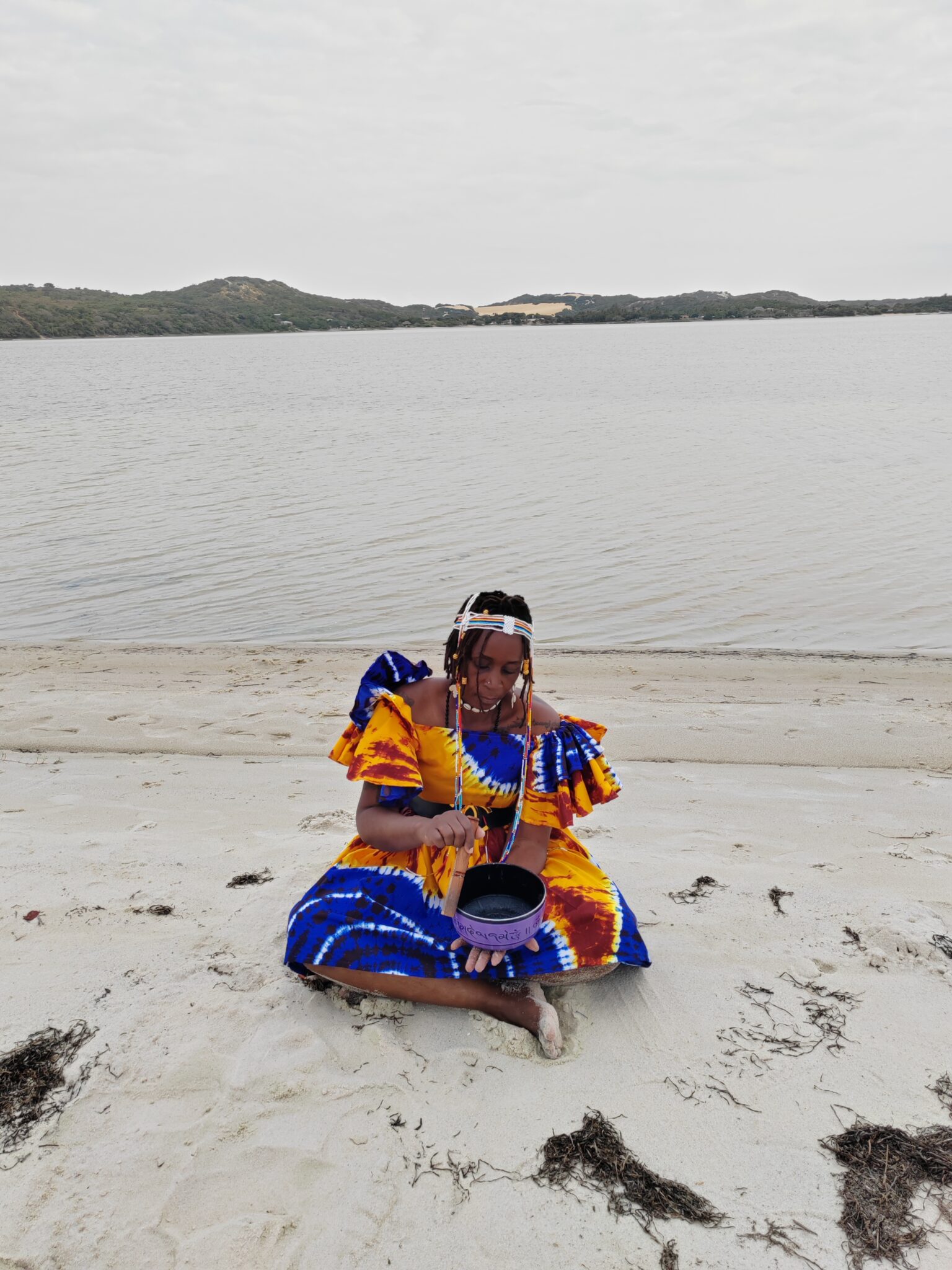
Tanya Vuyiswa Kayembe, also known as The Black Empress, is a psycho-neurological therapist, trauma specialist, and shamanic coach guiding the evolution of conscious leadership. As founder of Awaken Sanctuary for Awareness, she integrates neuroscience, psychology, African Indigenous healing, and somatic intelligence to support both individuals and organizations in transforming trauma into purpose.
Through her trauma-informed leadership programs, retreats, and executive coaching, Tanya helps leaders regulate their nervous systems, cultivate psychological safety, and embody presence — creating workplaces rooted in coherence, compassion, and authentic power.
Her work bridges science and spirit, helping leaders and teams remember that healing isn’t separate from performance — it’s the foundation of it.