

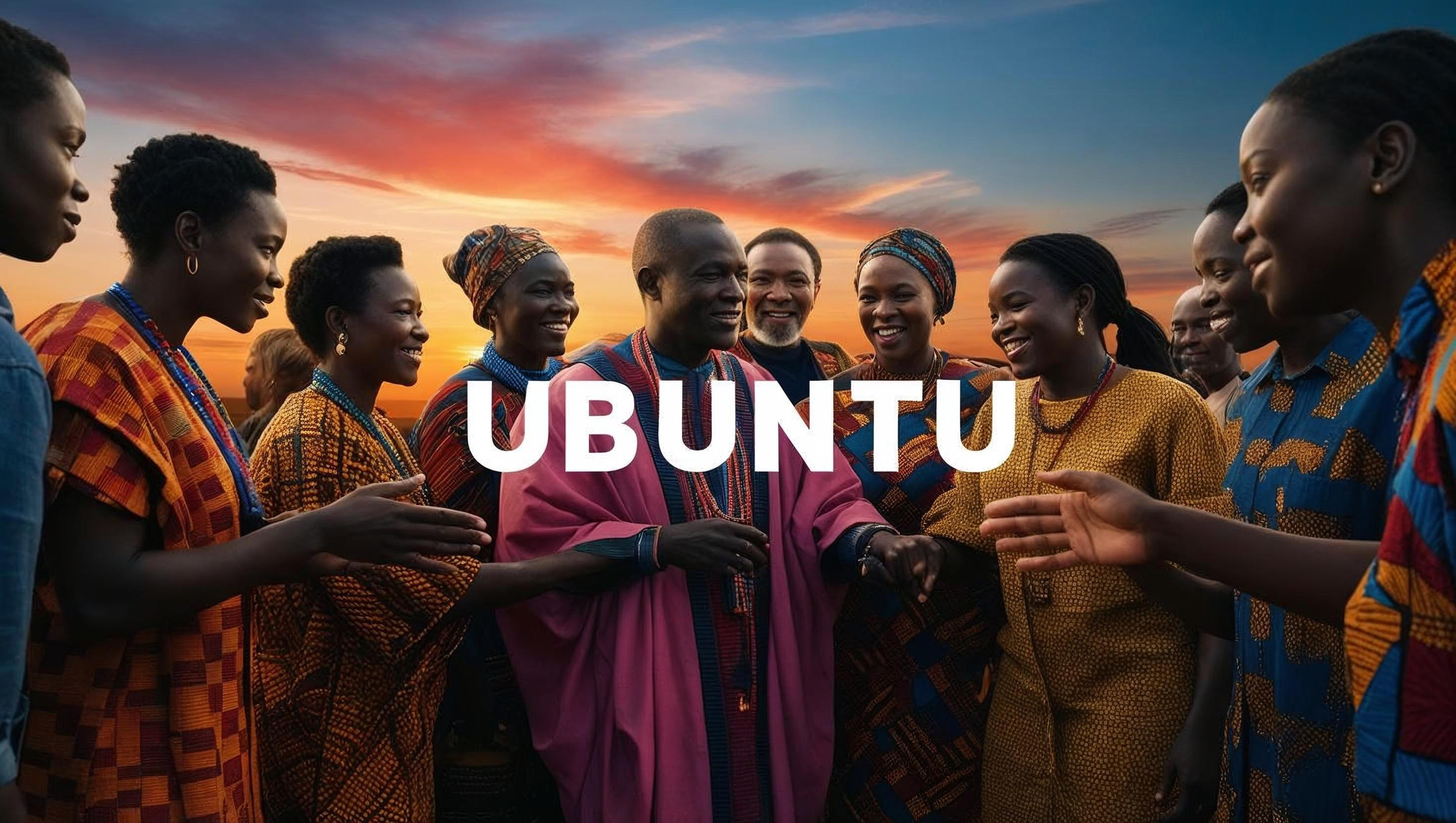

Indigenous Intelligence & Decolonized Wellness
Rooted in the wisdom of Africa, this space honours ancestral healing and Ubuntu as guiding principles for personal and organizational transformation. Here, ancient ways of knowing meet modern business — restoring balance, community, and consciousness in how we work, lead, and live.
Embracing African Indigenous Healing in Modern Life
In a world driven by speed, technology, and constant output, many of us are disconnected — from ourselves, from our communities, and from the Earth that sustains us. Indigenous intelligence reminds us that wellness is not just a personal pursuit; it is relational. African indigenous healing teaches that our bodies, minds, and spirits are part of a larger ecosystem. Every decision we make ripples through our families, organizations, and communities.
African indigenous healing practices are holistic. They honour the mind, body, and spirit equally, drawing on ancestral wisdom, storytelling, ritual, and nature-based therapies to restore balance. These practices are not relics of the past; they are living frameworks that can guide us to healthier, more sustainable ways of leading, working, and being.
“When we honour the wisdom of our ancestors, we reclaim our power, restore balance, and lead with heart, consciousness, and courage.” — Tanya Kayembe— Black Empress, The Oracle

Decolonized Wellness: Reclaiming Our Health, Culture, and Power
Decolonized wellness is a conscious shift away from one-size-fits-all frameworks imposed by globalized systems, toward approaches that honour cultural specificity and ancestral knowledge. It recognises that wellness cannot be fully achieved when we ignore the historical, social, and cultural contexts that shape our bodies, minds, and relationships.
When we reclaim decolonized wellness, we invite practices that have sustained African communities for generations — practices that emphasise connection, ritual, community care, and resilience. This is not about rejecting modern science; it is about harmonising ancestral knowledge with contemporary understanding, creating a richer, more grounded approach to health and leadership.
Ubuntu Philosophy: The Heartbeat of Collective Transformation
At the core of African indigenous intelligence is Ubuntu: “I am because we are.” This is not merely a philosophy; it is a lived, guiding principle for relationships, leadership, and organizational culture. Ubuntu teaches that individual success is intertwined with collective wellbeing. It encourages empathy, collaboration, and accountability, reshaping how we connect with teams, communities, and ourselves.
Organizations that integrate Ubuntu principles cultivate cultural intelligence — the ability to navigate diverse human experiences with awareness, sensitivity, and ethical clarity. Leaders who embody Ubuntu create spaces where people feel seen, heard, and valued, driving innovation, loyalty, and meaningful impact.
Ancestral Wisdom Meets Modern Business
Imagine combining the rigor of modern business practices with the depth of ancestral wisdom. The results are profound:
Decision-making grounded in relational intelligence: Leaders consider the impact of choices not just on profit, but on people, communities, and ecosystems.
Resilient organizational culture: Practices that honour rest, reflection, and collective care reduce burnout and increase engagement.
Conscious leadership: Leaders develop emotional and cultural intelligence that fosters authentic connection and influence.
Holistic wellness frameworks: Integrating ritual, mindfulness, and indigenous healing practices promotes nervous system regulation and mental clarity.
By embracing this integration, businesses and individuals step into a new paradigm of leadership — one that is ethical, sustainable, and deeply human.
Moving Forward with Conscious Intention
Indigenous intelligence and decolonized wellness invite us to expand our understanding of what it means to thrive. It is an invitation to reclaim ancestral practices, restore balance in our lives, and lead with conscious intention. When we align our personal wellness with collective responsibility, we create organizations and communities that are not only productive but also spiritually and culturally attuned.
Black Empress Insight:
“True leadership is measured not by the power we hold, but by the harmony we cultivate — within ourselves, with our people, and with the world we inherit.”
Take Action
At Awaken Soul Station, we guide executives, entrepreneurs, and teams in integrating African indigenous healing and Ubuntu principles into personal and organizational transformation. Through executive coaching, immersive retreats, and cultural intelligence programs, we help leaders restore balance, elevate consciousness, and cultivate workplaces that are healthy, thriving, and deeply human.
Discover how your leadership can be transformed through ancestral wisdom and decolonized wellness — book a consultation or retreat today.
About the Author

Tanya Vuyiswa Kayembe, known as The Black Empress, is a Psycho-Neurological Therapist, Indigenous Shaman, and Executive Coach bridging ancient African wisdom with modern neuroscience and leadership. As the Founder of Awaken Soul Station and Awaken Sanctuary for Awareness, she guides leaders, organizations, and seekers through transformational journeys that restore balance, emotional intelligence, and embodied leadership.
Her work blends ancestral healing, psychology, and cultural intelligence to help executives and entrepreneurs cultivate resilience, decolonized wellness, and conscious leadership rooted in Ubuntu philosophy. Through retreats, mentorship, and corporate programs, she empowers individuals and teams to move beyond burnout and disconnection — into coherence, clarity, and authentic power.
Connect: www.awakensoulstation.africa | www.awakensanctuary.africa

